
Uncategorized
Mushroom Chocolate Bars: Understanding Psilocybin Effects, Risks, and Treatment Options

Nov
Psilocybin Misuse, Addiction Potential, and Mental Health Concerns
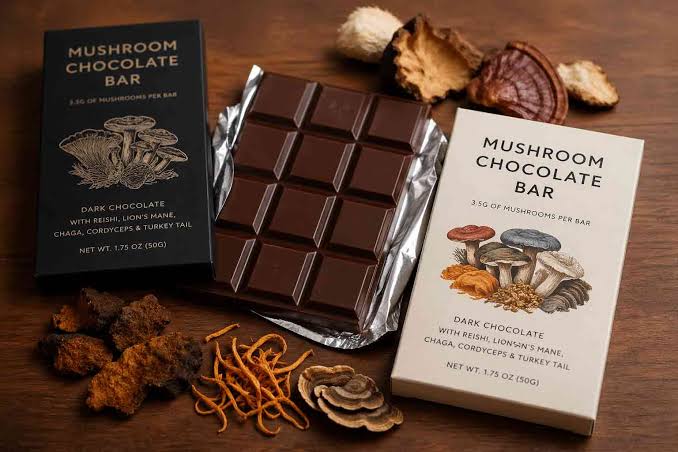
Mushroom Chocolate Bars, Mushroom chocolate bars may resemble ordinary candy, but they contain much more than a sweet treat. These products combine chocolate with psilocybin, the psychoactive compound found in magic mushrooms. By blending the mushrooms with chocolate, manufacturers can mask their naturally strong, earthy taste. Although some people seek these products for their psychedelic effects, they can also expose users to significant health and safety risks.
In this article, we examine the growing popularity of psychedelic edibles, including mushroom chocolate bars, and explore the potential dangers associated with psilocybin. Furthermore, we discuss substance misuse and explain the treatment options that can help people seek support and begin their recovery.
Understanding Psychedelic Substances
Psychedelics belong to a group of substances that can significantly alter how people perceive their surroundings, process thoughts, and experience emotions. For example, these substances may cause hallucinations, leading people to see, hear, or feel things that do not exist. They produce these effects by interacting with the brain’s chemical systems, which can create intense sensory experiences and unusual states of consciousness.
Common psychedelics include LSD, DMT, and psilocybin, the primary psychoactive compound in magic mushrooms. Although some people use these substances recreationally, researchers also continue to explore their potential therapeutic applications, particularly in mental health care.
However, possible medical benefits do not automatically make psychedelics safe. In fact, these substances can trigger unpredictable psychological and physical reactions. Therefore, people should understand the potential risks rather than assume that casual use poses little danger.
The Growing Popularity of Psychedelic Edibles
Psychedelic edibles have gained attention in recent years as more people explore alternative ways to experience substances such as psilocybin. Unlike dried mushrooms, these products combine psychedelic ingredients with foods such as chocolate, gummies, and baked goods. As a result, they can hide the mushrooms’ naturally bitter taste and make the products resemble ordinary snacks.
Several factors have contributed to this growing trend. For instance, the increasing popularity of cannabis edibles has made food-based intoxicating products more familiar to some consumers. In addition, social media and online marketplaces often promote psychedelic edibles as exciting or harmless treats, sometimes downplaying their potential risks. Mushroom Chocolate Bars:
Nevertheless, their appealing appearance can create serious safety concerns. Because these products often resemble regular sweets, children may mistake them for ordinary candy and accidentally consume them. Furthermore, inconsistent ingredient content and potency can make their effects difficult to predict. Consequently, users may experience unexpected reactions, severe psychological distress, or other medical complications.
What Are Mushroom Chocolate Bars?
Mushroom chocolate bars are psychedelic edibles that combine chocolate with psilocybin, the psychoactive compound found in magic mushrooms. Manufacturers often divide these bars into smaller squares, which may give consumers the impression that they can easily control how much they consume. However, products from unregulated sources may contain inconsistent amounts of psilocybin, making their potency and effects difficult to predict.
How Does Psilocybin Affect the Brain?
After someone consumes psilocybin, the body converts it into psilocin, the compound responsible for many of the substance’s mind-altering effects. Psilocin interacts with serotonin receptors in the brain and can change perception, mood, thinking, and sensory experiences.
Why Do Manufacturers Combine Mushrooms With Chocolate?
Chocolate can mask the naturally bitter, earthy taste of magic mushrooms, making the product more appealing to some consumers. In addition, attractive packaging and candy-like designs may make mushroom chocolate bars look like ordinary confectionery, potentially increasing their appeal among younger audiences.
Nevertheless, this familiar appearance can hide serious dangers. In particular, inconsistent psilocybin content, misleading product information, and accidental consumption can create significant health and safety risks. Therefore, consumers should never assume that mushroom chocolate bars are harmless simply because they look like ordinary sweets.
What Ingredients Do Mushroom Chocolate Bars Contain?
Mushroom chocolate bars generally combine chocolate with magic mushrooms that contain psilocybin. Depending on the product, manufacturers may also include extra ingredients such as nuts, caramel, fruit, or artificial flavorings to change the taste and texture.
Ingredient Quality and Potency Concerns
However, many mushroom chocolate bars come from unregulated sources, where manufacturers may not follow consistent quality or safety standards. Consequently, the amount of psilocybin can vary significantly between bars or even between individual pieces. This inconsistency makes the effects difficult to predict and increases the risk of unexpected reactions.
Risk of Contamination and Undisclosed Substances
Furthermore, some products may contain substances that the packaging does not disclose. For example, manufacturers or suppliers may intentionally add other drugs, while poor production practices can introduce harmful chemicals or contaminants. As a result, consumers may face risks beyond those associated with psilocybin itself.
Ultimately, an attractive appearance or ingredient list does not guarantee that a mushroom chocolate bar contains what its packaging claims. This uncertainty makes unregulated psychedelic edibles particularly concerning.
How Mushroom Chocolate Affects the Body and Brain
When someone eats a mushroom chocolate bar, the digestive system breaks down psilocybin and converts it into psilocin. This psychoactive compound then interacts with serotonin receptors in the brain, which help regulate mood, perception, and cognitive functions.
Common Effects and Their Duration
After consumption, some people may begin noticing psychological effects within a short period. These effects can include visual or auditory hallucinations, changes in mood, altered perception of time, and unusual sensory experiences. However, the intensity and duration can vary considerably depending on individual differences, the product’s potency, and the person’s mental state and surroundings.
Why Chocolate Can Create Additional Risks
Although chocolate can mask the naturally bitter taste of mushrooms, it does not remove psilocybin’s psychoactive properties. In fact, the familiar appearance and pleasant taste may lead some people to underestimate the product’s strength and associated risks.
Furthermore, inconsistent psilocybin content can make reactions difficult to predict. In some cases, people may experience severe nausea, intense anxiety, panic, confusion, or frightening hallucinations. These distressing experiences often fall under the term bad trip.
Ultimately, mushroom chocolate bars are not harmless sweets. Their appealing appearance can conceal the risks of a powerful psychedelic substance, so consumers should never assume that these products offer predictable or safe effects.
What Happens When You Consume a Psilocybin Chocolate Bar?
Psilocybin chocolate bars can trigger a variety of physical and psychological effects. Although some people seek these products for their hallucinogenic properties, their effects can vary widely and often prove difficult to predict.
For some individuals, the experience may feel intense or deeply emotional, while others may find it frightening or overwhelming. Furthermore, combining psilocybin with chocolate may hide the mushrooms’ naturally bitter taste, but it does not reduce the substance’s psychoactive effects or eliminate its potential risks. Therefore, these products deserve serious attention, regardless of their appealing appearance.
Psychological and Hallucinogenic Effects
Psilocybin primarily affects the brain, often changing how people interpret their surroundings, emotions, and sensory experiences. After consuming a mushroom chocolate bar, individuals may notice significant changes in their perception and thinking. Common psychological effects include:
- Visual and auditory hallucinations: People may see unusual patterns, colors, or shapes that do not exist. Similarly, ordinary sounds may seem louder, distorted, or unfamiliar.
- Changes in time perception: Some individuals may feel that time moves unusually fast or slowly. Others may struggle to judge how much time has passed.
- Intensified emotions: Psilocybin can amplify emotional responses, ranging from happiness and excitement to fear, sadness, or anxiety. Depending on the individual and their surroundings, some may also experience a strong sense of connection with other people or the world around them.
- Spiritual or deeply personal experiences: Some people describe intense self-reflection, unusual thoughts, or experiences that they interpret as spiritual insights.
However, these effects do not always feel positive or manageable. In some cases, a person may experience a distressing reaction commonly known as a bad trip. This experience can involve paranoia, panic, intense fear, and confusion. Furthermore, hallucinations may make it difficult to distinguish imagined experiences from reality, potentially increasing emotional distress and creating serious safety concerns.
Physical Effects of Psilocybin
Psilocybin affects the body as well as the mind. Depending on the individual, the amount consumed, and other factors, physical reactions can range from mild discomfort to more serious complications. Common effects include:
- Nausea and vomiting: Psilocybin mushrooms can irritate the digestive system, causing stomach discomfort, nausea, or vomiting.
- Increased heart rate: Some people experience a faster heartbeat, which may cause discomfort or concern.
- Sweating and chills: Changes in body temperature can lead to excessive sweating, flushing, or shivering.
- Muscle weakness: Some individuals experience physical heaviness, fatigue, or difficulty coordinating their movements.
- Headaches: Headaches may develop during or after the experience and can sometimes last for several hours.
Potential Physical Health Risks
Although some reactions may seem temporary, mushroom chocolate bars can also cause serious physical complications. For example, an increased heart rate or blood pressure may place additional strain on people with existing cardiovascular conditions.
Furthermore, combining psilocybin with alcohol or other substances can increase the risk of harmful reactions and make the overall effects less predictable. Therefore, consumers should not assume that chocolate-based psychedelic products offer a safer experience simply because they resemble ordinary sweets.
Legal Status of Mushroom Chocolate Bars
One of the most important concerns surrounding mushroom chocolate bars involves their legal status. Psilocybin, the psychoactive compound found in magic mushrooms, remains a controlled substance in many countries. For example, the United States classifies psilocybin as a Schedule I substance under federal law. Consequently, federal law generally prohibits the manufacture, sale, and possession of products containing psilocybin, including mushroom chocolate bars, unless an applicable legal exception or authorization applies.
Legal Consequences of Buying, Possessing, or Selling Them
Despite these restrictions, some sellers continue to market mushroom chocolate bars through online platforms and informal outlets. However, buying, possessing, or distributing these products can expose individuals to serious legal consequences. Depending on the jurisdiction and circumstances, penalties may include fines, criminal charges, or imprisonment. In addition, authorities may impose particularly serious penalties for commercial distribution or unauthorized sales.
Therefore, anyone considering these products should check the laws that apply in their location rather than relying on sellers’ claims or online listings.
Decriminalization Does Not Always Mean Legalization
The legal situation can become even more confusing in places where authorities have decriminalized certain activities involving small amounts of psilocybin. However, decriminalization does not necessarily make psilocybin legal, nor does it automatically authorize the production or commercial sale of mushroom chocolate bars.
In other words, a local policy may reduce penalties for certain personal-use activities while other laws continue to prohibit manufacturing, selling, or distributing psilocybin products. As a result, people who misunderstand these legal distinctions may face unexpected legal problems.
Ultimately, mushroom chocolate bars carry legal risks that vary considerably by country, state, and local jurisdiction. Always verify the current laws before making assumptions about their legality.
Potential Medical Risks of Mushroom Chocolate Bars
Beyond the legal concerns surrounding psychedelic edibles, mushroom chocolate bars can also pose significant health risks. Their effects may range from mild discomfort to serious medical complications, depending on the individual, the product’s contents, and the amount of psilocybin involved.
One major concern is the lack of reliable dosage control. Because many of these products come from unregulated sources, their psilocybin content can vary considerably between bars and even between individual pieces. Consequently, consumers may unknowingly encounter a much stronger product than they expect, increasing the risk of unwanted reactions.
Common Short-Term Health Effects
Some of the short-term medical risks associated with mushroom chocolate bars include:
- Nausea and vomiting: Psilocybin-containing mushrooms can cause digestive discomfort, leading to nausea, stomach upset, or vomiting.
- Increased heart rate and blood pressure: Psilocybin can affect cardiovascular activity, potentially creating additional risks for people with existing heart conditions.
- Impaired coordination: Changes in perception, balance, and judgment can make everyday movements more difficult. As a result, individuals may face a greater risk of falls, accidents, or other injuries, particularly in unsafe environments.
Overall, unpredictable product strength and individual reactions make mushroom chocolate bars difficult to assess from a health and safety perspective.
Potential Long-Term Health Risks
Researchers still have much to learn about the long-term health effects of psilocybin, particularly when people consume it in edible products such as mushroom chocolate bars. Therefore, limited research makes it difficult to draw firm conclusions about the consequences of repeated use.
However, frequent consumption may expose individuals to recurring physical discomfort, including headaches and digestive problems. Furthermore, combining psilocybin with alcohol or prescription medications may increase the risk of harmful interactions and unpredictable side effects.
Ultimately, the lack of comprehensive long-term research does not mean these products are risk-free. Their potential effects deserve careful consideration, especially when other substances or medications are involved.
Effects of Mushroom Chocolate Bars on Mental Health
Psilocybin can significantly alter brain activity, perception, and emotional responses, potentially creating both short-term and longer-term mental health concerns. Although some people seek mushroom chocolate bars hoping to improve their mood or stimulate creativity, the experience can also become frightening, overwhelming, or emotionally distressing.
Common Short-Term Psychological Effects
Some of the immediate mental health effects associated with mushroom chocolate bars include:
- Paranoia and anxiety: An unpleasant psychedelic experience can trigger intense fear, panic, or suspicion, leaving individuals feeling distressed even after the effects begin to fade.
- Confusion and disorientation: Hallucinations and changes in perception can make it difficult to interpret surroundings or distinguish imagined experiences from reality.
- Intense emotional fluctuations: Psilocybin can heighten emotional responses, causing rapid shifts between excitement, happiness, sadness, and anxiety.
These reactions can vary considerably from one person to another. Furthermore, unpredictable product strength and individual sensitivity can make the psychological effects difficult to anticipate.
Potential Long-Term Mental Health Effects
Repeated psilocybin use may raise concerns about long-term mental well-being, although researchers still need more evidence to understand these risks fully. For example, individuals who already struggle with anxiety or depression may experience worsening symptoms following psilocybin use.
In rare cases, psilocybin may also trigger persistent perceptual disturbances or psychotic symptoms, particularly in vulnerable individuals. These experiences can interfere with everyday activities, relationships, and overall quality of life.
Emotional Trauma and the Effects of Bad Trips
Another important concern involves the lasting emotional impact of frightening psychedelic experiences. Intense hallucinations, overwhelming fear, or feelings of losing control can leave some individuals with significant psychological distress.
Furthermore, people with undiagnosed or untreated mental health conditions may face additional vulnerability to these effects. Consequently, an experience that initially seems temporary can sometimes lead to lasting emotional difficulties.
Overall, the potential psychological consequences deserve serious attention, especially when individuals have existing mental health concerns or experience severe reactions to psilocybin.
Addiction
Psychological Dependence and Substance Misuse
Although psilocybin does not typically cause physical dependence in the same way as some addictive substances, repeated use can still lead to problematic psychological patterns. For instance, some individuals may repeatedly seek the pleasurable feelings, emotional intensity, or spiritual experiences they associate with previous psychedelic experiences. Over time, this behaviour can interfere with personal responsibilities, relationships, and everyday activities.
Warning Signs of Psychological Dependence
Several behaviours may indicate an unhealthy relationship with mushroom chocolate bars, including:
- Neglecting daily responsibilities: Putting psilocybin use ahead of work, family commitments, hobbies, or other important activities.
- Increasing frequency of use: Returning to the substance more often in pursuit of previous experiences, even when the effects become unpredictable.
- Difficulty enjoying everyday life: Feeling unable to relax, feel satisfied, or enjoy ordinary activities without using the substance.
The Risk of Broader Substance Misuse
Beyond psychological dependence, some people who experiment with psilocybin may also become interested in other psychoactive substances. However, this does not mean that psilocybin inevitably leads to the use of other drugs. Individual circumstances, personal vulnerability, and social influences all play a role in substance-use patterns.
How Chocolate May Influence Consumption
The familiar taste and appearance of chocolate may make psilocybin products seem less intimidating than dried mushrooms. Consequently, some individuals may underestimate the risks associated with these psychedelic edibles or view them as ordinary sweets.
Furthermore, attractive packaging and inconsistent product strength can create a false sense of familiarity and control. These factors may encourage repeated use or lead people to consume more than they intended, increasing the potential for harmful patterns of use.
Find Compassionate Addiction Recovery Support at Renaissance Recovery
If you or someone you care about is struggling with substance use, Renaissance Recovery offers professional support to help you take the next step toward recovery. Its treatment centers in Florida and California provide care for addiction and co-occurring mental health concerns in a supportive, beachside setting.
With an outpatient treatment program, you can continue living at home and managing your daily responsibilities while attending scheduled therapy sessions during the week.
Because every person’s recovery journey is different, Renaissance Recovery develops individualized treatment plans that may include a combination of:
- Medication-assisted treatment
- Motivational therapy
- Individual counseling
- Talk therapy
- Group therapy
- Holistic therapies
- Family therapy
- Ongoing aftercare support
