
Uncategorized
DMT: Everything You Should Know

Nov
What Is DMT? Understanding Its Effects, Origins, and Potential Risks
What Is Dimethyltryptamine (DMT)?
DMT: A Complete Guide to Understanding This Psychedelic Substance,Dimethyltryptamine, commonly known as DMT, is a powerful psychedelic compound that occurs naturally in various plants and animals. It affects brain activity and can significantly alter a person’s perception, thoughts, and sensory experiences. At sufficiently high doses, DMT may produce intense hallucinations, causing people to see, hear, or feel things that do not exist in their surroundings.
People also refer to DMT by several alternative names, including Dimitri, Businessman’s Special, the Spirit Molecule, and Elf Spice.
The Traditional and Modern Uses of DMT
For centuries, certain Indigenous communities in South America have incorporated DMT-containing plants into traditional spiritual and ceremonial practices. In particular, DMT is one of the key psychoactive compounds in ayahuasca, a traditional psychedelic brew with deep cultural and religious significance.
Today, manufacturers can also produce synthetic DMT in laboratory settings. Consequently, the substance exists in both naturally occurring and synthetic forms.
Why Do People Use DMT?
Some people use DMT recreationally because it can produce an intense but relatively short-lived psychedelic experience. Users sometimes describe an especially powerful experience as a DMT breakthrough, referring to a profound alteration in perception and awareness.
Meanwhile, researchers continue to investigate whether DMT may have potential applications in mental health and other areas of medicine. However, scientific interest does not establish that the substance is safe or effective as a treatment.
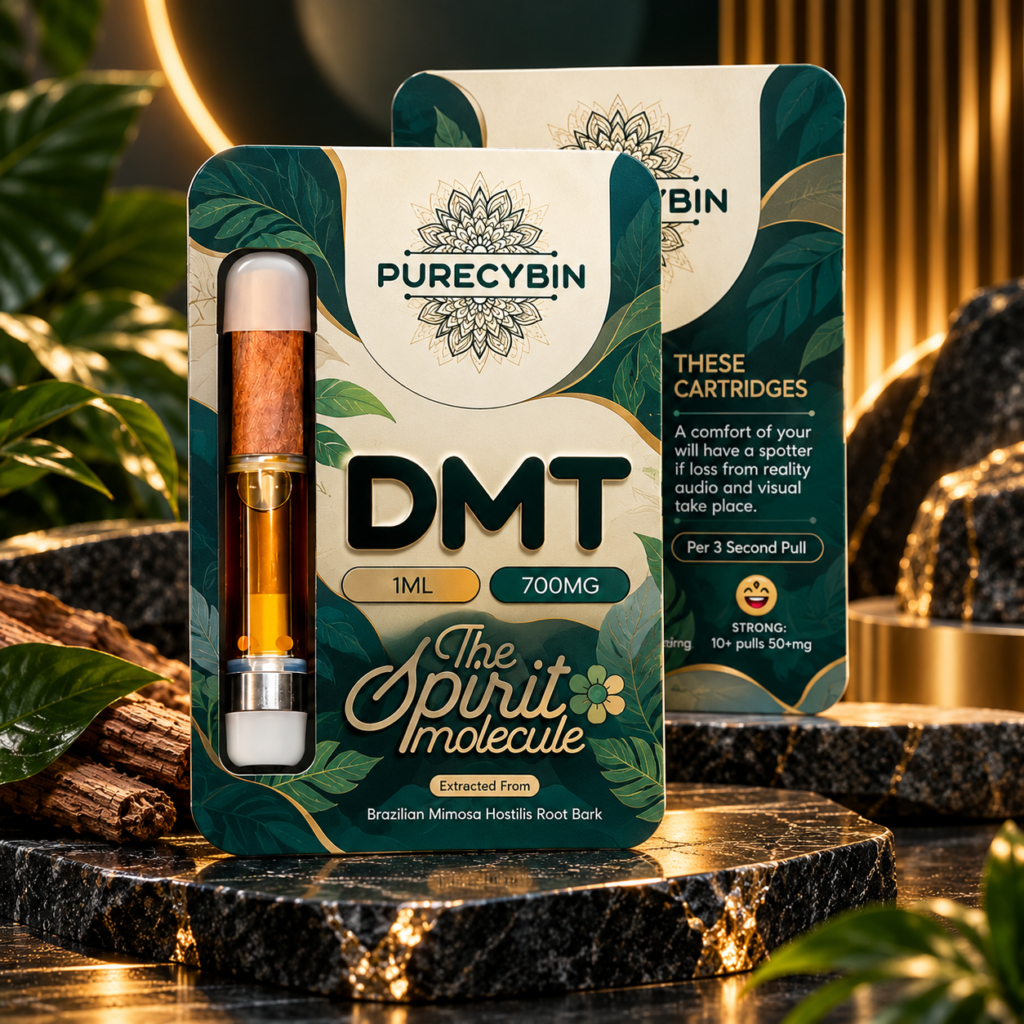
What Does DMT Look Like?
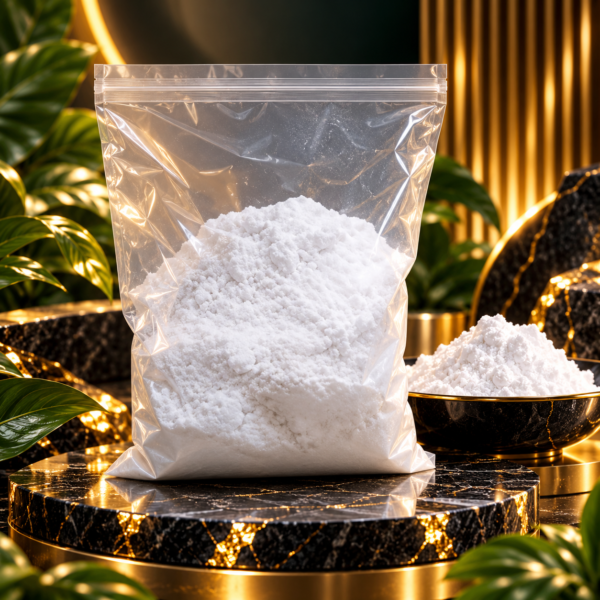
DMT can have different appearances depending on its source and preparation. Naturally occurring DMT may come from plant extracts or dried plant material, so its appearance varies. In contrast, pure synthetic DMT typically appears as a white crystalline substance. Less refined samples may have a yellowish or pinkish color.
DMT vs. LSD: What Are the Differences?
DMT and LSD (lysergic acid diethylamide), commonly known as acid, belong to the broader group of psychedelic substances. Both can significantly alter perception, mood, and sensory experiences. However, they differ in their chemical structures, how long their effects last, and how they interact with the brain.
Interestingly, both substances influence the brain’s serotonin system. Serotonin is a neurotransmitter that helps regulate mood, perception, and other important functions. Nevertheless, DMT and LSD interact with serotonin receptors in different ways, which contributes to their distinct effects. DMT: A Complete Guide to Understanding This Psychedelic Substance
Key Differences Between DMT and LSD
- Origin: DMT occurs naturally in certain plants and animals, although manufacturers can also produce it synthetically. By contrast, LSD is a laboratory-made substance derived from lysergic acid, which comes from ergot, a fungus that grows on grains such as rye.
- Duration: DMT typically produces an intense but short-lived psychedelic experience, often lasting around 15 to 60 minutes, depending on the form and method of use. LSD, however, generally produces much longer-lasting effects, with an experience that can continue for up to 12 hours.
- Form: DMT comes in different preparations, while ayahuasca contains naturally occurring DMT. LSD, on the other hand, commonly comes on small absorbent paper tabs that people place on their tongues. Both substances carry health risks, regardless of their form.
How Do You Use DMT?
People use DMT in several different ways, including:
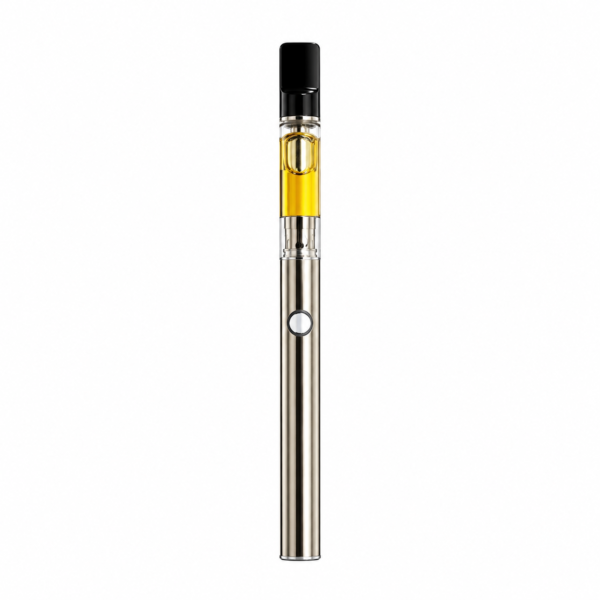
- Smoke it in a pipe, joint, or vape pen
- Drink it in a brew with ayahuasca
- Crush it into powder and snort it
- Inject it into a vein using a syringe
How Does DMT Affect the Mind and Body?
DMT can affect people in different ways, and the intensity of the experience often varies from person to person. However, users commonly report several psychological, emotional, and physical effects, including:
- Hallucinations: Seeing or hearing things that do not exist in the surrounding environment.
- Out-of-body sensations: Feeling detached from the body or as though observing oneself from outside.
- Mood fluctuations: Experiencing sudden changes in emotional state.
- Heightened physical sensations: Noticing unusual or intensified feelings, such as tingling, warmth, or pain.
- Euphoria: Experiencing intense feelings of happiness or excitement.
- Spiritual or emotional experiences: Feeling a deep sense of connection, meaning, or emotional intensity.
- Distorted body perception: Experiencing changes in how the body feels or appears.
- Unusual memories and thoughts: Experiencing vivid memories, personal reflections, or thoughts that may feel unfamiliar or especially significant.
However, these effects do not occur in everyone. DMT can also trigger fear, confusion, anxiety, and other distressing reactions. Therefore, its psychological effects can be unpredictable.
What Factors Influence the Effects of DMT?
DMT does not affect everyone in the same way. Several personal and environmental factors can influence how someone experiences its effects, including:
- Body size and overall health: A person’s physical condition, body weight, and general health may influence their response.
- Previous experience: Someone who has used DMT before may describe a different experience from someone encountering it for the first time.
- Other substances: Combining DMT with alcohol, medications, or other drugs can change its effects and increase health risks.
- Amount consumed: The quantity of DMT involved can influence the intensity of its effects.
- Potency and composition: DMT products can vary in strength and purity depending on their source and preparation.
- Surrounding environment: A person’s surroundings and sense of safety may shape their psychological experience.
- Emotional state: Mood, stress, and anxiety before exposure can influence how someone responds.
Ultimately, these factors help explain why DMT experiences can vary widely and why its effects remain difficult to predict.
Set and Setting: How Mindset and Environment Influence a DMT Experience
The terms set and setting describe twohttps://dmtshipping.com important factors that can shape a person’s experience with DMT: their mental and emotional state, and the environment around them. Together, these factors can influence whether the experience feels manageable or becomes frightening and overwhelming.
What Does “Set” Mean?
Set refers to a person’s mindset before taking a substance. It includes their current emotions, expectations, thoughts, and previous experiences with psychedelic or other mind-altering drugs. For example, stress, fear, anxiety, or emotional distress may influence how someone responds during a DMT experience.
What Does “Setting” Mean?
Setting describes the physical and social environment in which someone uses a substance. It includes the location, the people nearby, and the atmosphere.
For instance, an unfamiliar place or the presence of people someone does not trust may create additional discomfort. By contrast, a familiar environment and supportive company may feel less intimidating. Similarly, a quiet space can create a very different atmosphere from a noisy, crowded location.
Why Do Set and Setting Matter?
Because DMT can produce intense and unpredictable psychological effects, a person’s mindset and surroundings may influence how they interpret and respond to the experience. However, even a comfortable environment cannot eliminate the risks of panic, confusion, or other adverse reactions.
DMT Side Effects
DMT Side Effects: Short-Term and Long-Term Risks
Like other psychoactive substances, DMT can cause a range of side effects. Some reactions occur shortly after use, while others may develop or persist over time. In certain cases, these effects can become serious and require medical attention.
Short-Term Side Effects of DMT
During a DMT experience and as its immediate effects wear off, a person may experience several physical and psychological reactions, including:
- Increased heart rate: The heart may beat faster than usual.
- Dizziness: A person may feel lightheaded or unsteady.
- Heart palpitations: The heartbeat may feel unusually strong, rapid, or irregular.
- Dilated pupils: The pupils may become noticeably larger.
- Poor coordination: Some people may struggle with balance and controlled movements.
- Agitation: Feelings of restlessness, nervousness, or irritability may occur.
- Seizures: In serious cases, DMT use may be associated with seizures, particularly when other substances or underlying health risks are involved.
Although some effects may pass as the immediate experience ends, severe symptoms should never be ignored. Seek urgent medical attention if someone experiences a seizure, chest pain, difficulty breathing, or loss of consciousness.
Long-Term Effects of DMT
Researchers have not studied DMT extensively, so its potential long-term effects remain unclear. As a result, scientists still need more evidence to understand how repeated or prolonged exposure may affect physical and mental health.
One reported concern involves flashbacks. Some people describe unexpected recurrences of parts of a psychedelic experience after the immediate effects have ended. These episodes may feel disturbing or uncomfortable and can occur days, weeks, or even months later.
Furthermore, researchers have raised questions about DMT’s potential impact on cardiovascular health. The substance can temporarily increase blood pressure and heart rate, which may create additional concerns for people with existing heart conditions.
Although current research has not established the full extent of DMT’s long-term risks, limited evidence does not prove that repeated use is harmless. More research is necessary to clarify its lasting effects.
Can DMT Cause a Bad Trip?
Yes. DMT can sometimes trigger a frightening or distressing experience, commonly known as a bad trip. Rather than feeling pleasure or euphoria, a person may experience intense negative emotions and disturbing changes in perception.
Common signs of a bad trip include:
- Severe anxiety: Feeling overwhelmed by fear, nervousness, or panic.
- Frightening hallucinations: Seeing or hearing things that cause distress or fear.
- Confusion: Struggling to understand what is happening or distinguish between the experience and reality.
- Paranoia: Developing intense suspicion or feeling threatened without a clear reason.
A person’s mindset and surroundings may influence the nature of a psychedelic experience. However, even a calm environment and positive expectations cannot guarantee that someone will avoid a bad trip. DMT’s effects remain unpredictable, and distressing reactions can occur under different circumstances.
Can You Overdose on DMT?
Although researchers have not established how often DMT overdoses occur, it is important not to assume that taking the substance is risk-free. DMT can cause intense physical and psychological reactions, and severe complications may require emergency medical care.
Watch for warning signs such as difficulty breathing, chest pain, seizures, or loss of consciousness. If someone experiences any of these symptoms, seek emergency medical assistance immediately. Do not wait for the symptoms to disappear on their own.
If you are in the United States, call 911 for emergency help. Medical professionals can provide urgent care and help manage the situation.
DMT Safety Tips
How to Reduce the Risks Associated With DMT
DMT can produce powerful psychedelic experiences and, in some cases, trigger severe psychological or physical reactions that require urgent medical attention. Although no precaution can make its use completely safe, understanding the potential dangers can help people recognize risks and respond appropriately.
1. Understand the Substance and Its Risks
Before making decisions about DMT, learn about its effects, possible side effects, and potential short- and long-term health consequences. Reliable medical information can help you make informed decisions rather than relying on assumptions or personal accounts.
2. Consider Your Mental and Physical Well-Being
Your mental state and physical health can influence how you respond to psychoactive substances. DMT may cause unpredictable reactions, particularly when someone experiences significant stress, anxiety, or other health concerns. The safest option is to avoid using it.
3. Avoid Being Alone During a Medical Emergency
DMT can temporarily affect perception, awareness, and coordination. If someone has used the substance, a trusted person should be available to recognize signs of distress and seek emergency assistance when necessary. Never assume that having someone nearby eliminates the risks.
4. Avoid Combining DMT With Other Substances
Combining DMT with alcohol, recreational drugs, or prescription medications can create unpredictable interactions and increase the risk of harmful reactions. Some combinations may also place additional strain on the heart and nervous system. Speak with a qualified healthcare professional about potential medication interactions rather than assuming a combination is safe.
5. Know When to Seek Emergency Help
Seek immediate medical attention if someone experiences chest pain, difficulty breathing, seizures, loss of consciousness, or severe confusion. Prompt medical care can make a critical difference during a serious reaction.
Additional Precautions and Emergency Guidance
5. Avoid Taking More Than You Can Safely Handle
DMT can produce intense and unpredictable effects, and even a small amount may trigger a strong reaction. Do not assume that taking more will produce a manageable experience. The safest approach is to avoid using the substance rather than experimenting with different amounts.
6. Be Aware of Equipment-Related Risks
Smoking equipment may contain residue or contaminants from previous use. In addition, poorly maintained equipment can introduce other health risks. Avoid sharing equipment or relying on its appearance as proof that it is clean or safe.
7. Never Share Drug-Use Equipment
Sharing pipes, needles, or other drug-use equipment can expose people to infectious diseases and harmful contaminants. Needles and other equipment that come into contact with blood carry particularly serious risks. Avoid sharing these items.
8. Seek Emergency Medical Assistance When Necessary
If you or someone else experiences a severe reaction after taking DMT, do not delay seeking medical attention. Contact local emergency services immediately, especially if the person has difficulty breathing, chest pain, seizures, or loses consciousness. Be honest with medical professionals about what substances the person may have taken so they can provide appropriate treatment.
Key Takeaways About DMT
DMT is a powerful psychedelic substance that can significantly change how people perceive their surroundings, thoughts, and emotions. It may cause hallucinations, making someone see or hear things that do not exist.
Although researchers have not fully established its long-term health effects or addiction potential, DMT can still cause serious short-term complications. These may include elevated blood pressure, increased heart rate, dizziness, and, in severe cases, seizures.
Furthermore, anyone considering the risks of DMT should understand that no precaution can guarantee a safe experience. The safest option is to avoid using the substance. If exposure occurs, avoid combining it with other drugs or alcohol, never share drug-use equipment, and seek immediate medical attention if serious symptoms develop.
Ultimately, understanding DMT’s effects and potential dangers can help people make informed decisions and recognize when they need professional medical support.
