
Uncategorized
MDMA vs. Molly: Understanding the Difference

Nov
What Are MDMA and Molly?
MDMA vs. Molly: Understanding the Difference, MDMA, commonly known as Molly or Ecstasy, is a synthetic psychoactive drug with both stimulant and hallucinogenic properties. Researchers often associate it with the psychedelic drug family because it can alter sensory perception, intensify the experience of touch, and change a person‘s perception of time.
People who take MDMA may experience increased energy, alertness, and feelings of happiness or euphoria. In addition, the drug can heighten feelings of emotional warmth, empathy, and social connection. Consequently, some people use it in party and nightlife settings, hoping to feel more relaxed, sociable, or emotionally connected to others. Teenagers and young adults may also face particular risks associated with its use.
Common Forms and Street Names
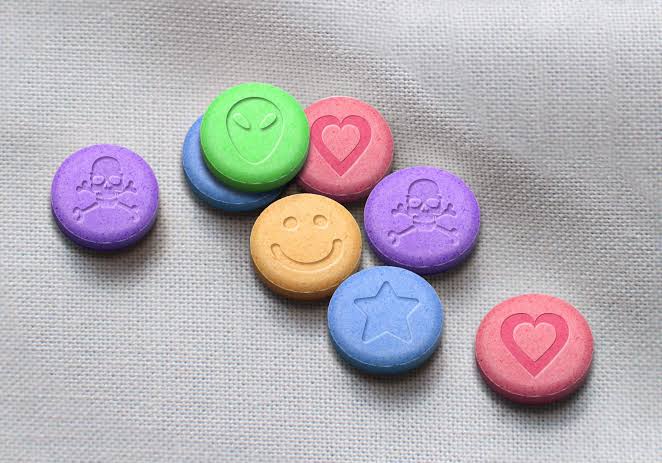
MDMA appears in several forms, including colourful tablets, powders, capsules, and liquids. Tablets may feature different logos, designs, and street names, such as Ecstasy, E, X, Hug Drug, Lover’s Speed, and Biscuit.
However, appearance and street names cannot confirm a substance’s identity or purity. Products sold as MDMA or Molly may contain other unexpected substances, which can increase the risk of harmful reactions.
What Is MDMA?
MDMA stands for 3,4-methylenedioxymethamphetamine. Commonly known as Molly or Ecstasy, this synthetic psychoactive substance belongs to the substituted amphetamine family. Its chemical structure shares certain similarities with mescaline, a psychedelic compound, and methamphetamine, a powerful stimulant.
How MDMA Affects the Brain
MDMA influences the brain by increasing the activity and release of several neurotransmitters, particularly serotonin, dopamine, and norepinephrine. These chemical messengers help regulate mood, energy, motivation, and other functions. As a result, MDMA can produce stimulant effects and changes in emotions, perception, and social behaviour.
The History of MDMA
The pharmaceutical company Merck first synthesised MDMA in 1912. However, researchers did not begin exploring its psychological effects until several decades later. During the 1970s, some psychotherapists experimented with MDMA in therapeutic settings, hoping it could help patients manage fear and emotional distress.

By the 1980s, MDMA had gained popularity in nightclubs and party environments, where people commonly referred to it as Ecstasy. Since then, researchers have continued to investigate its potential medical applications, particularly for conditions such as post-traumatic stress disorder (PTSD) and depression. Molly: Understanding the Difference
MDMA and Potential Medical Uses
Although researchers have explored MDMA as a possible treatment for certain mental health conditions, its medical benefits remain under investigation. In particular, scientists have studied its potential role in combination with psychotherapy for people with PTSD.
However, the U.S. Food and Drug Administration (FDA) has not approved MDMA as a treatment for PTSD or depression. Although the FDA previously granted MDMA-assisted therapy a Breakthrough Therapy designation for PTSD research, this status supports the development and review of a potential treatment; it does not mean the FDA has approved the drug or confirmed its safety and effectiveness.

What Is Molly?
Molly, also known by street names such as Mandy, M, and Crystal, refers to a powder or crystalline product sold as MDMA. Unlike Ecstasy, which typically comes in tablet form, Molly usually appears as a powder or crystals. Some people assume that Molly contains purer MDMA than Ecstasy because of its appearance. However, this assumption does not guarantee its quality or safety.
In reality, illicit Molly products may contain unknown substances, including potentially harmful additives or other drugs. Furthermore, combining Molly with other substances or repeatedly exposing the body to MDMA can increase the risk of serious complications, such as overheating, dehydration, and potentially lasting effects on the brain and nervous system.
MDMA vs. Molly: Understanding the Differences
MDMA is the chemical compound, while Molly is a street name for products marketed as MDMA. In its pure form, MDMA typically appears as an off-white crystalline substance. However, once it enters the illicit drug market, sellers may mix it with fillers or other substances before distributing it.

As a result, products sold as Molly can vary considerably in composition, strength, and purity. Since illegal drug markets lack reliable quality controls, consumers cannot determine a product’s actual contents or safety simply by looking at its colour, texture, or packaging.
Ultimately, the name Molly does not guarantee that a product contains pure MDMA or that it poses fewer risks than Ecstasy tablets.
Powder vs. Pill: Molly and Ecstasy
Molly and Ecstasy are two forms of products sold as MDMA. The main difference lies in their appearance: Molly typically comes as a powder or crystals, while Ecstasy usually comes in pressed tablet form.
Manufacturers may combine MDMA powder with binding agents and other substances to produce Ecstasy tablets. However, these additional ingredients can change the tablet’s effects or introduce further health risks. Moreover, a tablet’s appearance does not reveal its actual contents or strength.
Appearance and Composition of Ecstasy
Ecstasy tablets come in various colours, shapes, and designs. Some feature distinctive logos, including crowns, flowers, or smiley faces. Although two tablets may look identical, they can contain different ingredients, particularly when they come from separate batches.
How Composition Can Affect the Experience
MDMA can produce feelings of emotional warmth, empathy, increased sociability, and changes in sensory perception. However, products sold as Molly or Ecstasy may contain other substances, so their effects can vary considerably.
For example, some illicit products marketed as MDMA may contain synthetic stimulants such as MDPV, 4-MEC, methylone, or pentedrone instead of MDMA. Others may combine several substances. Consequently, users cannot reliably predict a product’s effects, strength, or health risks based on its name, colour, logo, or physical form.
Ultimately, neither powder nor tablet form guarantees purity or safety. Both can contain unexpected ingredients that may cause serious adverse reactions.
Risks and Side Effects
Although researchers continue to investigate MDMA’s potential therapeutic applications in controlled clinical settings, using Molly or Ecstasy outside medical supervision can pose significant risks to both physical and mental health. The effects can vary depending on the substance’s actual contents, individual health, and environmental conditions. In addition, combining MDMA with alcohol, antidepressants such as selective serotonin reuptake inhibitors (SSRIs), or other medications can lead to unpredictable interactions and increase the risk of adverse effects.
Physical Health Risks
MDMA can increase heart rate, blood pressure, and body temperature. These effects may become particularly dangerous in hot environments or during prolonged physical activity, such as dancing in crowded venues. In severe cases, dangerously high body temperature (hyperthermia) can cause serious complications, including organ damage and potentially life-threatening electrolyte imbalances.
Other possible physical side effects include nausea, vomiting, involuntary jaw clenching, muscle tension, and restlessness. Although severe or fatal reactions are less common, they can occur, particularly when a person takes an unknown substance or experiences a serious adverse reaction.
Repeated MDMA use may also place stress on the cardiovascular system and has been associated with potential liver-related complications. Furthermore, research raises concerns about possible risks during pregnancy, including effects on fetal development. However, the available evidence remains limited, and more research is needed to establish the extent of these risks.
Mental Health Risks
MDMA triggers the release of large amounts of serotonin, a neurotransmitter that helps regulate mood, sleep, appetite, and other functions. As a result, some people experience temporary feelings of happiness and emotional well-being while the drug remains active. However, as its effects fade, changes in brain chemistry may contribute to a period of low mood, irritability, or emotional discomfort that can last for several days.
In addition, some people experience anxiety, panic attacks, or feelings of paranoia. Regular MDMA use may also disrupt sleep and appetite. Over time, frequent use can contribute to memory difficulties, confusion, reduced concentration, and depressive symptoms. However, these effects vary from person to person and may depend on several factors, including frequency of use and individual health.
Other Side Effects
MDMA can cause a range of unwanted reactions, even when someone initially experiences pleasant effects. For example, some people develop nausea, muscle tension, headaches, dizziness, or increased sweating. Furthermore, excessive sweating, overheating, and inadequate fluid balance can lead to serious complications, including dehydration, fainting, and other medical emergencies.
Therefore, people should not assume that a pleasant initial experience means the substance carries little risk. Severe symptoms, such as very high body temperature, seizures, chest pain, or loss of consciousness, require urgent medical attention.
Some unwanted short-term side effects of MDMA include:
- jaw clenching
- muscle tension
- teeth grinding
- sweating and chills
- loss of appetite
- nausea
- depersonalization
- impaired judgment
- confusion
- feelings of faintness
- paranoia
- increased heart rate

Contamination and Adulteration
Products sold as MDMA, Molly, or Ecstasy may contain other substances that manufacturers or suppliers add without disclosing them. For example, street products marketed as MDMA may contain amphetamines, ketamine, synthetic cathinones (sometimes called “bath salts”), or other unexpected chemicals.
Consequently, a person who takes an adulterated product may experience unpredictable effects and serious health complications. The added substances can also interact with MDMA or with one another, further increasing the risk of harmful reactions. Ultimately, neither a product’s name nor its appearance can confirm what it contains or whether it is safe.
Addiction and Treatment Options
Although researchers continue to study MDMA’s potential for addiction, evidence suggests that the drug can affect the brain’s reward system and may lead to problematic patterns of use in some individuals. For example, the pleasurable feelings associated with MDMA may encourage repeated use and, in some cases, contribute to cravings.
Over time, some people may develop signs of a substance use disorder. These can include difficulty controlling their use, strong cravings, developing tolerance, or continuing to take the drug despite harmful consequences. Although not everyone who uses MDMA develops dependence, recognising these warning signs can help someone seek support early.
Fortunately, people experiencing problems related to MDMA use can access different forms of treatment. Depending on their circumstances and needs, a treatment plan may include medical assessment, counselling, residential care, or outpatient support.
Medical Detox
Medical detox can help people manage the early stages of recovery when they stop using MDMA or other substances. During this process, healthcare professionals assess the person’s condition, monitor their symptoms, and provide appropriate support when necessary.
Depending on the individual’s health and the severity of their substance use, clinicians may recommend inpatient or outpatient care. Inpatient treatment offers closer medical supervision and access to round-the-clock support, which can be particularly important when someone has complex health needs or uses multiple substances.
By contrast, outpatient care allows individuals to receive treatment while continuing to live at home. However, clinicians should determine the most appropriate setting after assessing the person’s health, support network, and treatment needs. Detox alone does not address the underlying causes of addiction; therefore, ongoing treatment and recovery support may also play an important role.
Behavioral Therapy
Following an initial assessment and any necessary detox support, individuals can begin addressing the behaviours and thought patterns associated with problematic MDMA use. Evidence-based approaches, such as cognitive behavioral therapy (CBT) and dialectical behavior therapy (DBT), can play an important role in this process.
CBT helps individuals identify the thoughts, emotions, and situations that contribute to substance use. Through practical strategies, they learn to challenge unhelpful thinking patterns and develop healthier ways to respond to triggers. Similarly, DBT focuses on emotional regulation, distress tolerance, and coping skills. As a result, individuals can become better equipped to manage difficult emotions and situations that may increase their risk of returning to substance use.
In addition, therapists provide one-on-one guidance to help individuals understand their personal triggers, manage everyday stress, and build healthier habits.
Group Counseling and Support Groups
Alongside individual therapy, group counseling can provide valuable encouragement throughout recovery. These sessions allow participants to share experiences, learn from others, and connect with people facing similar challenges. Furthermore, some individuals choose to attend 12-step meetings, where members offer mutual support and encourage one another to maintain their recovery goals.
Family involvement can also make a meaningful difference. Through family therapy, individuals and their loved ones can improve communication, address relationship difficulties, and develop a stronger support network.
Finally, addiction treatment professionals can work with each individual to create a personalised relapse-prevention plan. These plans help people recognise potential triggers, strengthen coping strategies, and maintain progress over time. Ultimately, combining appropriate therapy with ongoing support can help individuals build a healthier and more sustainable recovery.
Overcoming MDMA Addiction Starts with the Right Support
Although some people associate MDMA, Molly, and Ecstasy with enjoyable experiences, using these substances can carry serious health and legal risks. Therefore, understanding the potential dangers of unregulated products is essential for making informed decisions and protecting your well-being.
If you or someone close to you struggles with MDMA use or another form of substance misuse, seeking professional support can be an important first step. Specialised addiction treatment programs can help individuals address harmful patterns of use, develop healthier coping strategies, and work towards lasting recovery.
Although overcoming substance dependence can be challenging, the right treatment, professional guidance, and ongoing support can make a meaningful difference. With time and appropriate care, individuals can rebuild their lives, strengthen relationships, and pursue a fulfilling future without relying on drugs.
Did this article answer your questions?
